


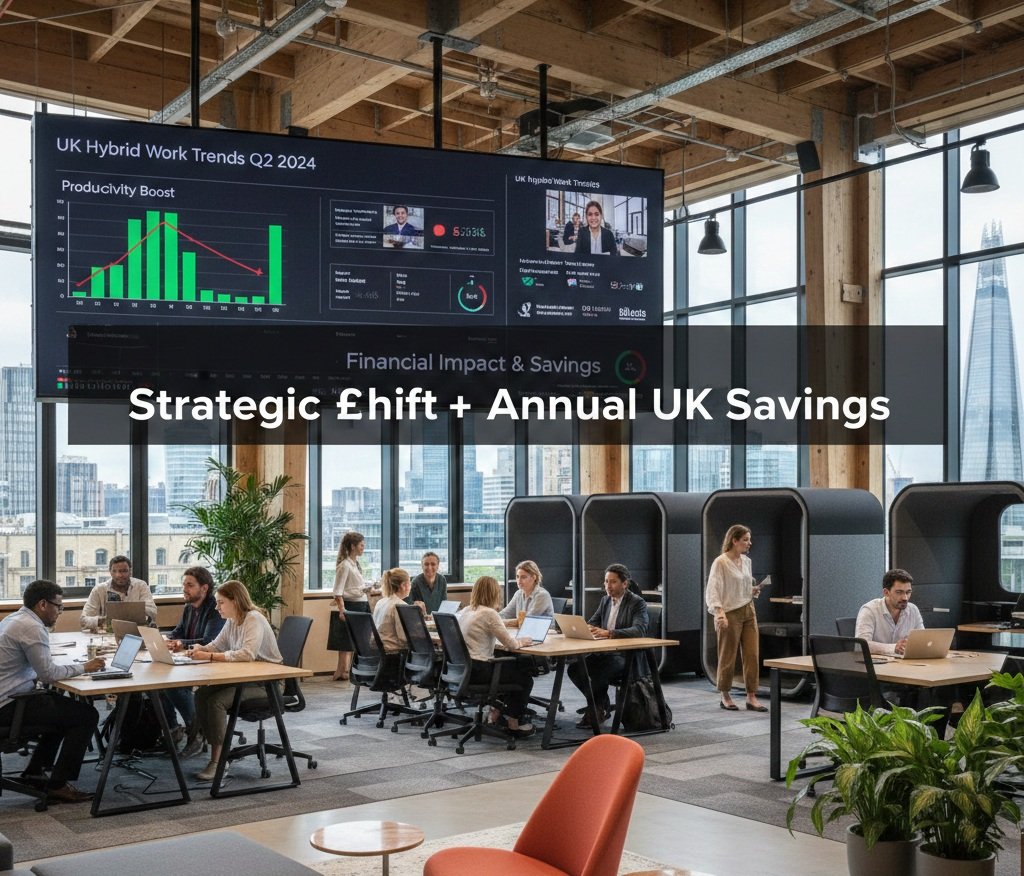
Costs, Savings, and Investment in 2024
June 2024
Categories: Business & Finance / Analysis
Tags: hybrid work, ROI, costs, savings, remote workers, garden offices
By mid-2024, hybrid working in the UK has evolved from experimentation to a strategic, financially significant part of organisational planning. Employers are balancing reduced office costs with investments in technology, smart garden offices, and wellbeing initiatives. Employees, particularly first-time remote workers, are also weighing costs, savings, and long-term benefits of working from home. This article explores financial strategy, return on investment, and practical guidance for all stakeholders in the hybrid ecosystem.
Employer Costs and Savings
Hybrid work continues to offer significant financial advantages for businesses. Reduced office occupancy lowers overheads such as rent, utilities, and maintenance. Fewer on-site meetings and travel reduce travel allowances, catering, and event costs.
However, 2024 has seen a shift: employers are investing more in technology, home office equipment, and professional development to sustain productivity. These investments include:
- High-speed connectivity and IT infrastructure
- Ergonomic chairs, desks, and adjustable workstations for home and garden offices
- Cloud collaboration platforms, AI-assisted tools, and cybersecurity systems
- Wellness programs and digital fatigue mitigation measures
While upfront costs have increased, the return on investment (ROI) is substantial. Productivity gains, improved retention, and reduced absenteeism combine to outweigh infrastructure and technology expenditures.
ROI in hybrid work is measured not only in cost savings but also in enhanced employee performance and long-term engagement.
Employee Costs and Financial Benefits
For employees, hybrid work brings direct and indirect savings. Reduced commuting saves on fuel, public transport, and parking, while decreased spending on professional clothing, lunches, and miscellaneous work-related expenses improves disposable income.
First-time remote workers face initial outlays for home office setup. This may include desks, chairs, lighting, monitors, or connectivity upgrades. UK tax rules provide some relief, allowing employers to reimburse or employees to claim certain expenses. Guidance is essential to ensure newcomers maximise available allowances while maintaining professional setups.
Initial investment in a dedicated workspace pays off quickly in both productivity and cost savings.
Calculating Hybrid ROI
Organisations are increasingly quantifying ROI across multiple dimensions:
- Financial Savings: Reduced office footprint, travel allowances, utilities, and catering
- Employee Retention: Flexibility improves satisfaction, lowering recruitment and training costs
- Productivity Gains: Structured hybrid schedules and well-equipped home offices improve output
- Wellbeing Impact: Healthier, less stressed employees contribute to sustainable performance
For employees, ROI is measured in time saved, reduced expenses, improved work-life balance, and long-term career prospects. Properly supported first-time remote workers gain confidence, skill development, and professional credibility, amplifying value to the organisation.
Investment in Workspace and Technology
Hybrid ROI is closely tied to smart workspace and technology investment. Employers and employees alike are recognising that high-quality setups accelerate performance and reduce fatigue. Garden offices, ergonomic furniture, high-speed internet, and AI-assisted tools provide tangible productivity gains.
Supplier and service partnerships are also expanding. Companies providing garden office installations, ergonomic furniture, IT support, and collaboration platforms are thriving as organisations aim to optimise hybrid workspaces for maximum ROI.
Strategic Guidance for 2024
For organisations:
- View hybrid work as a long-term investment, not a temporary cost-cutting measure
- Combine savings from reduced office footprint with strategic technology and wellbeing investments
- Support first-time remote workers to accelerate integration and performance
For employees:
- Plan workspace investments carefully, prioritising ergonomics, connectivity, and professional functionality
- Track costs and explore tax allowances where applicable
- Adopt structured routines to maximise productivity and ROI for both self and employer
Financial strategy in hybrid work is holistic, combining cost management, technology investment, and human capital optimisation.
Looking Ahead
2024 demonstrates that hybrid work is not merely a cultural trend — it is a strategic financial and operational asset. Organisations that invest wisely in technology, workspace, and employee support achieve measurable ROI, while employees who embrace structured, well-equipped home and garden offices enjoy savings, productivity gains, and professional growth.
Hybrid work success depends on a balance between investment and return, for both employers and employees, ensuring sustainability and long-term benefits.
Last updated: 23 February 2026