


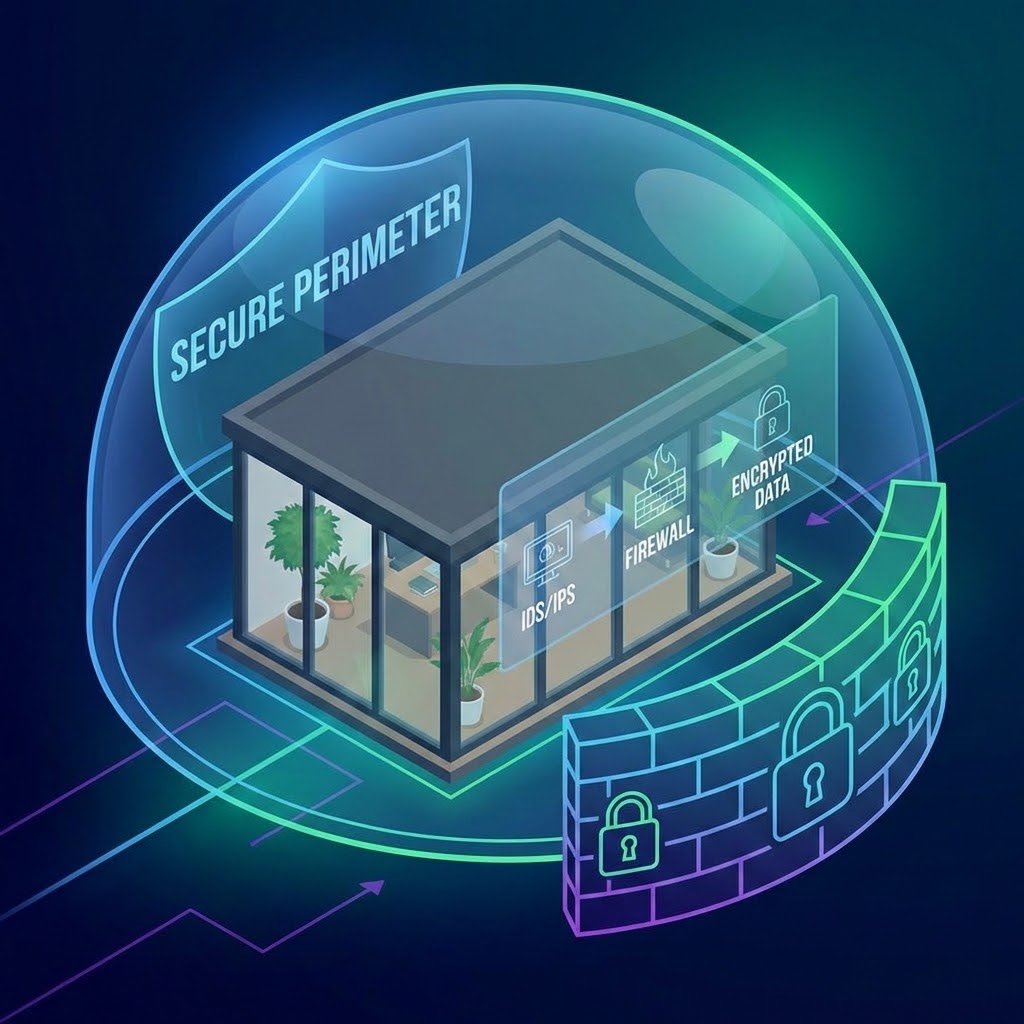
Technology: The Next-Gen Security Perimeter: Protecting Sensitive Data in the Detached Office
Description: A detailed guide on essential data security for professionals working from a detached structure. Focus areas include advanced encryption for cloud and local storage, securing IoT devices on a dedicated network, and establishing robust physical security protocols against unauthorised access. Comprehensive Guide to Data Security for Professionals in Detached Work Structures
This article provides a detailed and essential guide to data security best practices tailored for professionals operating out of a detached or remote work structure, such as a garden office, standalone studio, or dedicated annex. Given the unique challenges of a physically separate workspace, maintaining a robust security posture is paramount to protecting sensitive professional data.I. Advanced Data Encryption Protocols
To counteract potential data breaches, a multi-layered approach to encryption must be implemented for both cloud-based and local storage solutions.
A. Cloud Storage Security:
- End-to-End Encryption (E2EE): Utilize cloud storage providers that offer true client-side, end-to-end encryption. This ensures that data is encrypted on your device before being transmitted and stored, meaning the provider itself cannot access the unencrypted information.
- Strong, Unique Passphrases: Implement complex passphrases for all cloud accounts, leveraging a secure password manager.
- Multi-Factor Authentication (MFA): Mandatory implementation of MFA (preferably using hardware tokens or authenticator apps, not SMS) for all services containing sensitive professional data.
- Regular Audits: Periodically review access logs and sharing permissions to ensure only necessary personnel or applications have access to critical files.
B. Local Storage Security:
- Full Disk Encryption (FDE): All work devices (laptops, desktops, external drives) must use Full Disk Encryption, such as BitLocker (Windows) or FileVault (macOS). This protects the entire drive’s content if the device is lost or stolen.
- Folder-Level Encryption: For extremely sensitive files, consider adding a secondary layer of encryption using tools like VeraCrypt or dedicated secure containers, which require a separate decryption key/passphrase.
- Secure Deletion: Implement policies and tools for the permanent, secure deletion (wiping) of data from decommissioned hardware to prevent recovery.
Securing the Dedicated Network and IoT Devices
A detached structure often relies on its own subnet or a dedicated segment of the main property’s network. This network must be hardened, especially as it connects various IoT (Internet of Things) devices used for environmental control, security, or office functionality.
- Dedicated VLAN/Subnet: Establish a separate Virtual Local Area Network (VLAN) for the detached structure. This isolates the professional network from the main residential network, preventing a compromise on one side from affecting the other.
- Strong Router Security:
- Change the default Service Set Identifier (SSID) and administrator password immediately.
- Disable Universal Plug and Play (UPnP).
- Keep the router’s firmware consistently updated.
- Utilize WPA3 encryption where possible, or WPA2-Enterprise for the highest level of Wi-Fi security.
- IoT Device Isolation: All non-essential office IoT devices (e.g., smart lights, thermostats, security cameras) should be placed on a completely isolated “Guest” or “IoT” network, segregated from the primary work machines. This limits the attack surface presented by these often less-secure devices.
- Principle of Least Functionality: Disable all unnecessary services (e.g., telnet, FTP) on networking equipment and smart devices.
Robust Physical Security Protocols
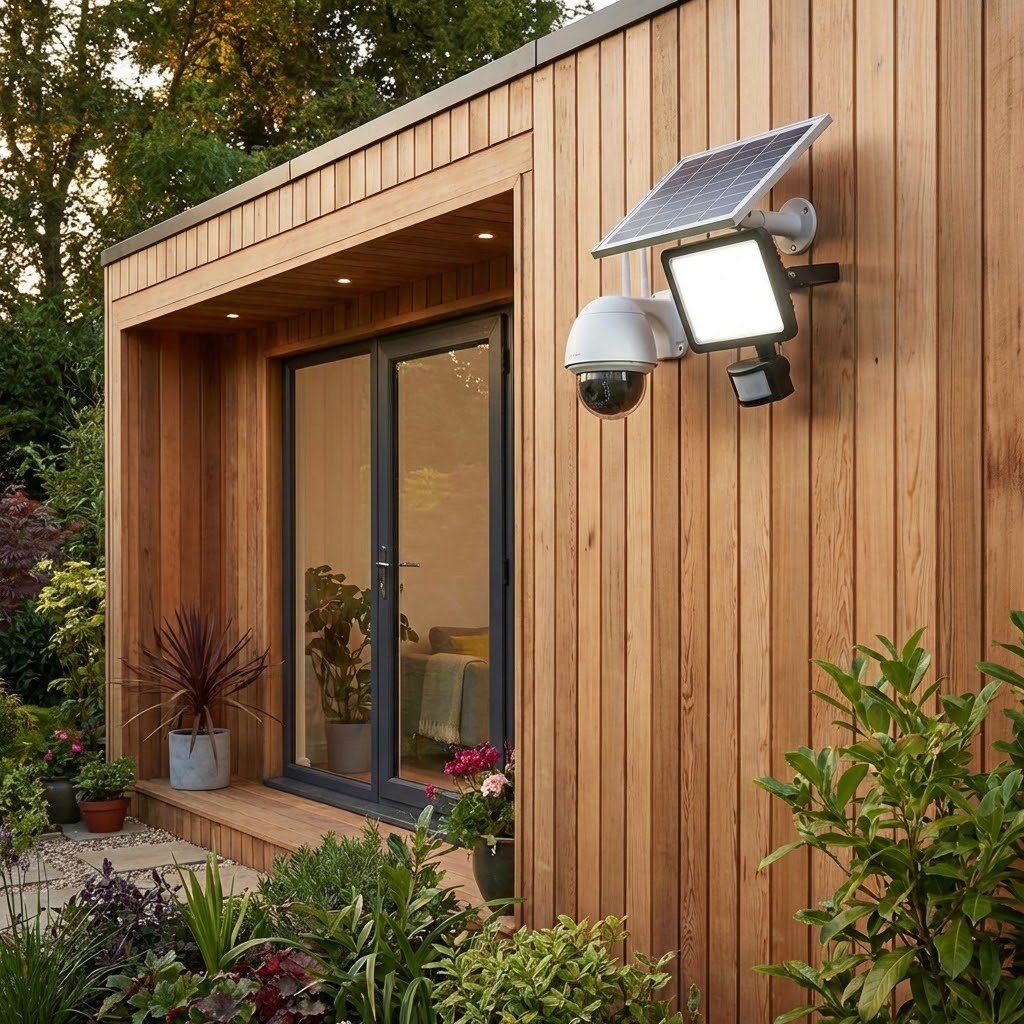
The physical security of the detached structure is as critical as its cyber security, as it represents the first line of defense against unauthorised access to hardware and, by extension, digital data.
- Access Control:
- Install high-quality locks (e.g., five-lever mortice deadlocks) on all doors and windows.
- Consider a keyless entry system (e.g., a smart lock with a secure passcode or biometric reader) for auditable access logs.
- Surveillance and Alarms:
- Implement a monitored security and alarm system. Ensure the system covers the detached structure and is tested regularly.
- Utilize exterior security cameras (with infrared night vision) that are placed in tamper-proof housing and configured to record and alert upon motion. The camera system should not be connected to the main work VLAN.
- Hardware Security:
- Use physical cable locks (e.g., Kensington locks) to secure valuable equipment like monitors, docking stations, and computers to a fixed object when not in use.
- Implement a “clear desk” policy to ensure no sensitive documents or storage media are left visible or unattended. All physical documents should be locked in a filing cabinet or safe.
- Disaster Preparedness: Ensure the structure is secured against environmental threats (e.g., fire, flood), which could lead to physical data destruction. Maintain offsite or cloud backups as a necessary redundancy.
Last updated: 13 February 2026